
Selling a property isn’t always straightforward, and when subsidence is involved, the process can be even more complicated. Many homeowners worry that they won’t be able to sell their home, but this isn’t always the case. Often, the sale can proceed, but the process might involve additional steps, disclosures, and adjustments to the asking price.
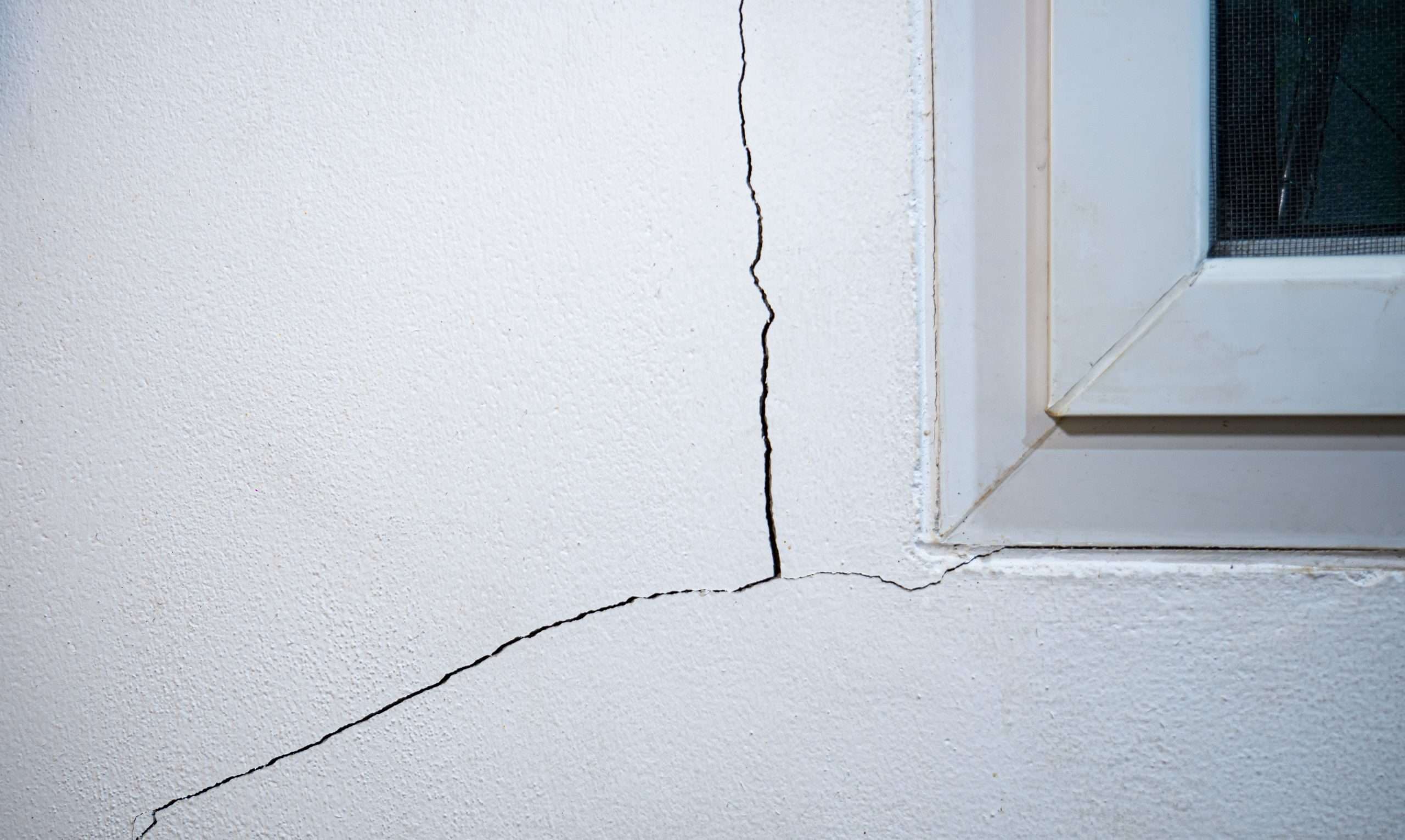
Subsidence refers to the movement of the ground beneath a property, which can lead to structural issues such as cracks in walls, uneven floors or sticking doors and windows. While these signs can understandably be concerning for buyers and lenders, it’s still possible to put your home on the market.
Understanding how subsidence impacts value, mortgage approval, and legal responsibilities is essential for any seller. With the right preparation and expert guidance, it’s still possible to sell, even if subsidence has been identified or repaired in the past.
How Subsidence Affects Property Value
Subsidence can significantly impact a property’s value, mainly because it causes concerns about structural stability and future repairs. Buyers often consider subsidence an extra risk they’re unwilling to take, especially if the issue is ongoing or hasn’t been fully investigated. As a result, properties affected by subsidence are typically valued lower than similar homes.
The impact of structural movement on the sales price depends on the severity of the issue. Minor or historic subsidence that’s been properly repaired might not make much difference. However, severe subsidence can significantly reduce buyer interest. Specialist assessment is often required at this stage. Our team at Subsidence Ltd can help identify the cause of movement and determine whether the property is stable, which can be incredibly important when buyers or lenders are making decisions.
In many cases, buyers will factor in the cost of potential repairs when making an offer. This means you might need to adjust your expectations and the sale price to reflect the property’s current condition. Even so, there is still demand for homes with subsidence, particularly from cash buyers or investors willing to take on renovation projects.
Do You Need to Declare Subsidence When Selling a Property?
Yes, subsidence needs to be declared whenever you’re selling a property in the UK. You’re legally required to disclose any known issues affecting the home, including past or present structural movement. This information is typically provided in a Property Information Form during the conveyancing process.
Failing to disclose subsidence can lead to serious consequences, including legal claims. Even if the issue has been repaired, it still needs to be included in the property’s history from the outset. Transparency is important because a buyer’s surveyor will often uncover evidence of previous movement during inspections, leading to additional questions.
Will Mortgage Lenders Accept a House With Subsidence?
Mortgage lenders might consider properties with subsidence, but the approval process can be more complicated compared to standard applications. The main concern for lenders is risk, particularly whether the property provides enough security for the loan.
In many cases, lenders will require a detailed structural survey before making a final decision. This helps them understand the condition of the property, any current signs of subsidence, and whether appropriate repairs have been carried out. Properties with unresolved or ongoing movement might be harder to mortgage, but this doesn’t automatically rule them out.
Some lenders specialise in unique situations like this and offer a range of mortgage options. Cash buyers are also common in subsidence cases, as they aren’t restricted by mortgage requirements. This can sometimes make the sales process quicker and more straightforward, even if the buyer pool is smaller.
Repairs, Reports and Surveys: What Sellers Need
Before putting a property on the market, it’s important to understand the role of surveys and reports in the sale process. If subsidence is suspected or confirmed, a structural survey is usually the first step. This will assess the extent of movement, identify possible causes and recommend any necessary repairs.
In more complex cases, specialist investigations might be required. Our team at Subsidence Ltd often works alongside engineers and surveyors to provide detailed assessments and ongoing monitoring where needed. This type of input can be particularly valuable when trying to establish whether movement is still active.
Once the cause of subsidence has been identified, the appropriate repair method can be used. In many situations, modern solutions like resin injection offer a minimally disruptive way to stabilise the ground beneath a property without the need for major excavation. One of the key benefits of resin injection is that it’s quicker and more cost-effective than traditional underpinning. For sellers, this can be particularly important, as it helps reduce delays in the sales process and can make the property more appealing to prospective buyers. In some cases, underpinning or more extensive ground stabilisation might still be required.
Sellers should also be aware that survey findings can influence negotiations. A buyer might request a price reduction or ask for repairs to be completed before exchange. Having clear, up-to-date reports will help support your position and provide reassurance that the property has been properly assessed. Insurance records can also play a role. If subsidence has been claimed on an insurance policy, details of the claim and repairs will usually need to be shared during the sale process, so it’s best to keep these to hand.
How to Sell a House With Subsidence Problems
Selling a house with subsidence is possible. While structural issues can narrow the market, an estate agent can still help you find a suitable buyer.
One option is to complete repairs before listing the property. This can make your home more attractive to buyers and might help secure a higher sale price. Another option is to sell the property as it is, with full disclosure of the subsidence and a price that reflects the current condition. This is often chosen by sellers who want a quicker sale or prefer not to carry out repair work themselves.
Professional guidance is important throughout the whole process. Estate agents, surveyors and subsidence specialists can assess the property, provide accurate valuations and ensure the correct documentation is in place. This supports a much smoother transaction.
If we use our solution, we can provide a 10-year warranty and a Certificate of Structural Adequacy, both of which will significantly help you sell your home following the stabilisation works.
If you need clarity on the extent of subsidence or advice on the best next steps before selling, get in touch with us at Subsidence Ltd today.