Subsidence in Terraced Homes: A Guide to Solutions, Costs, and Long-Term Results
Subsidence can be worrying when you live in a terraced house. Your home shares walls with neighbouring properties, so you may wonder whether structural movement could affect someone else’s home or whether repairs will mean major disruption. The good news is that subsidence in a terraced property doesn’t automatically mean extensive underpinning or rebuilding. The […]
Originally 9 Nov 2026·Last reviewed 10 Nov 2026·5 min read
Subsidence can be worrying when you live in a terraced house. Your home shares walls with neighbouring properties, so you may wonder whether structural movement could affect someone else’s home or whether repairs will mean major disruption.
The good news is that subsidence in a terraced property doesn’t automatically mean extensive underpinning or rebuilding. The right solution depends on what’s causing the movement, where it’s occurring and how much the supporting ground has been affected.
Key takeaway
Subsidence in a terraced house needs careful assessment. Shared walls, restricted access and the relationship between adjoining structures can affect the repair method, but localised movement can sometimes be stabilised without major excavation.
Why Terraced Houses Can Be More Complicated
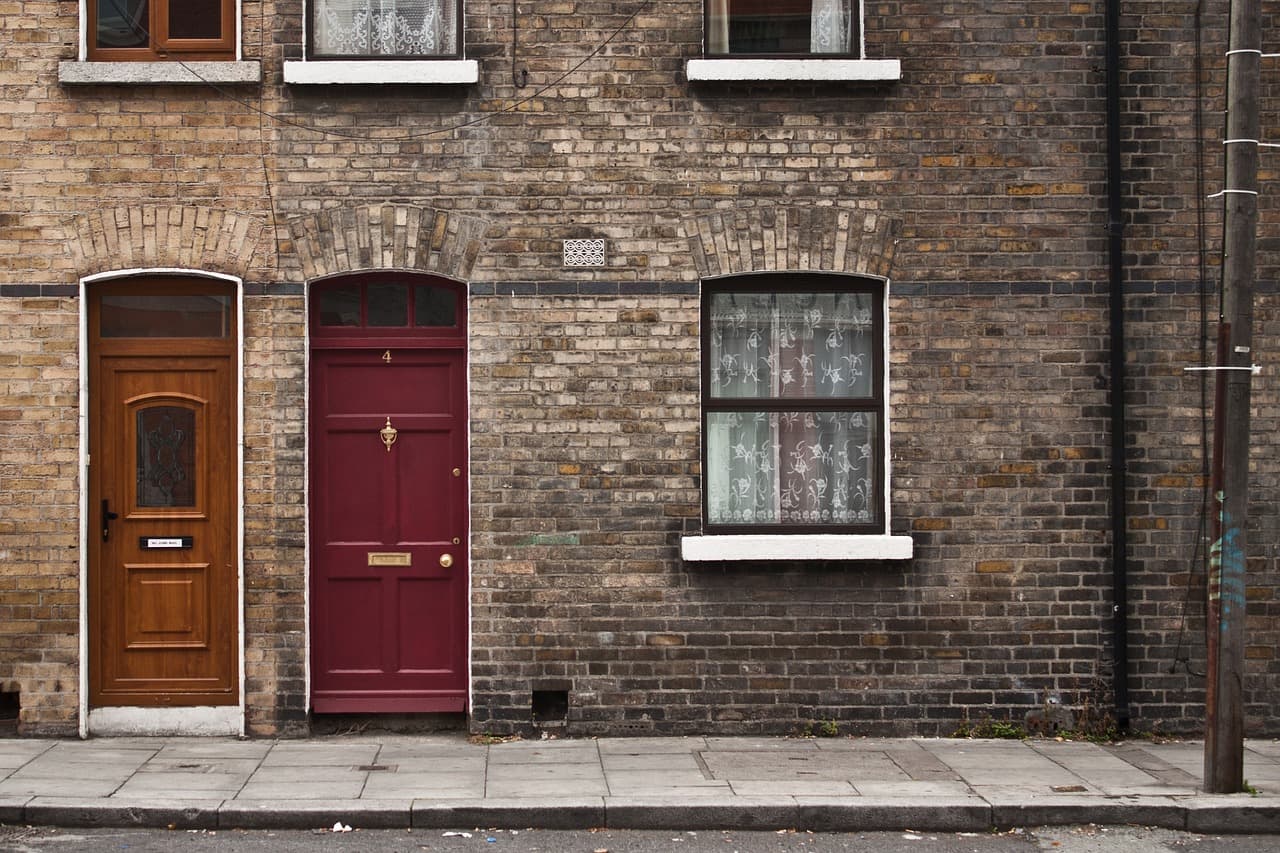
Terraced houses have structural characteristics that are key when investigating subsidence. Your home is connected to neighbouring properties, usually through party walls, so you need to consider movement in the context of the wider structure.
The original house may also have been altered over the years. Rear extensions, bay windows and other additions can have different foundations from the main property, meaning different parts of the building can respond differently to changes in the ground.
Access can also be a practical challenge when several properties are joined together. At Subsidence Ltd, we have seen this in practice with a terraced property where subsidence affected a party wall, so you need to consider the wider impact before deciding how to proceed.
What Causes Subsidence in a Terraced House?
The underlying causes of subsidence in a terraced house are generally the same as those affecting other properties. For instance, shrinkable clay soils can contract as they lose moisture, while tree roots can draw moisture from the ground, affecting stability.
Drainage is another important factor. A leaking or damaged drain can let water escape into the soil around the foundations, potentially weakening or washing away supporting ground. If drainage is causing the movement, this needs to be addressed as part of the overall solution.
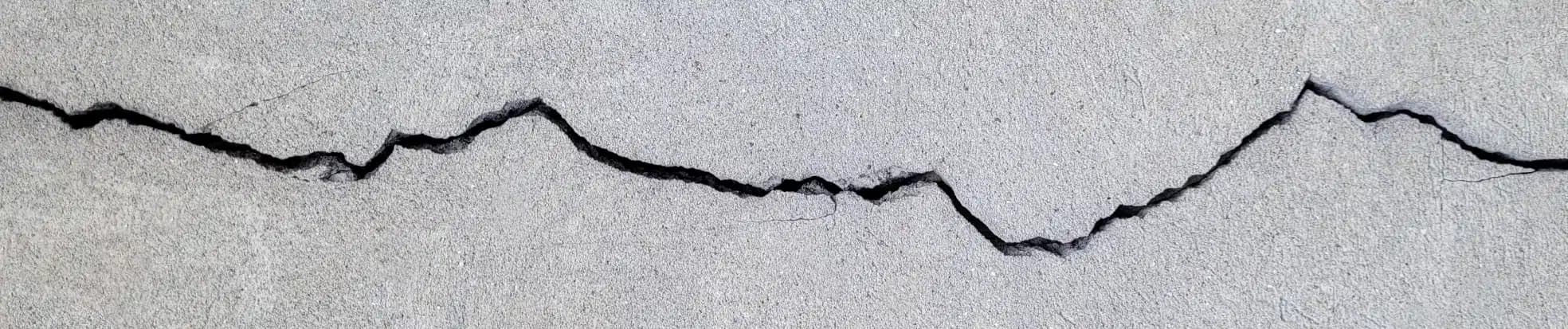
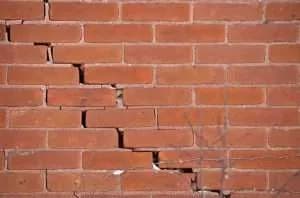
Establishing the cause is an important first step. The visible crack shows where the building is moving, but further assessment is needed to understand what’s happening beneath it.
What Are the Repair Options?
The right repair starts with understanding why the property has moved. If the problem is localised weakness beneath the foundations, improving the ground itself might be enough to stabilise the affected area. Resin injection is one option for this type of movement. Small holes are drilled at calculated positions before structural resin is injected beneath the foundation. As it expands and cures, it strengthens the ground and helps stabilise the foundation.
Underpinning is another option, but it’s not automatically required when a terraced house has subsidence. Traditional underpinning involves excavating beneath the existing foundations, making it much more disruptive. This is particularly important in terraced properties where access is restricted, or work involves a party wall.
What Does the Repair Process Look Like?
Before subsidence repairs begin, we need to establish what is moving and why. This can involve a comprehensive survey of the property, reviewing existing information, checking drainage and underground services, assessing the soil and establishing a baseline for movement.
Where resin injection is suitable, we use this information to determine injection-point locations. The process uses 16mm holes, approximately the diameter of a 5p piece, with laser-level monitoring during treatment. We then inject structural resin beneath the foundation to strengthen the ground. Most domestic resin injection projects can be completed within 1-2 days, although the exact timescale depends on the property and the treatment required.
How Much Does Subsidence Repair Cost in a Terraced House?
There’s no fixed price for repairing subsidence in a terraced home. Costs depend on factors such as the extent of movement, the area of foundation affected, ground conditions and the treatment required. If another problem, such as a leaking drain, is contributing to the movement, you may also need to address it before structural treatment.
At Subsidence Ltd, we can provide a tailored estimate for subsidence repairs, but we always follow up with a free survey. This allows us to give you a fixed quote, so there are no surprises.
What About the Long-Term Results?
Long-term stability depends on addressing the cause of the movement in the first place. If drainage, vegetation or changing ground conditions contributed to the problem, these factors need to be considered as part of the overall repair.
Where resin injection is suitable, the aim is to improve the ground supporting the affected foundation and stabilise the whole structure. A long-term solution to subsidence therefore needs to address the underlying cause, not just the visible damage.
Get Terraced House Subsidence Assessed
Finding cracks in a terraced property can be concerning, but it doesn’t automatically mean you need major excavation or underpinning. The first step is to establish what is moving, why it’s moving and how extensive the problem actually is. Once you have that information, you can make a much more informed decision about the right repair.
If you’re concerned about subsidence in your terraced home, contact Subsidence Ltd to arrange a professional survey and find out what options are available for your property.