Subsidence is a structural issue that lots of homeowners worry about. Even after the cause of the movement has been identified and professional repairs have been made, many worry that subsidence will return.
The reality is that while the ground beneath a property can be stabilised, the conditions that caused subsidence in the first place might still exist. Factors such as shrinkable clay, leaking drains, and ground-level changes can continue to affect a property over time, meaning that ongoing monitoring is just as important as the original repair.
Knowing when subsidence might return, what signs to look for, and when some movement is normal is key to avoiding unnecessary concern. Not every crack or sticking door means that subsidence is back, but knowing the difference helps you act early when needed.
Why Subsidence Returns
Subsidence doesn’t always come back after underpinning or resin injection, but when it does, it’s usually because the underlying cause wasn’t fully resolved or new environmental factors have developed over time.
Leaking Drains
One of the most common causes of recurring subsidence is water escaping from damaged drains. Over time, water can wash away the soil supporting foundations, weakening the ground and causing movement. Even after repairs, new or unnoticed drainage issues can cause more ground instability. Regular drainage checks are key when subsidence has occurred previously, as early detection can prevent further structural damage.
If porches, outriggers or extensions are being stabilised, it is essential that any guttering down pipes are either properly tied in to the existing drainage, or soakaways are installed at least 5m away from the structure.
Tree Roots
Trees and large shrubs can also contribute to recurring subsidence. Roots naturally soak up moisture and can draw water away from clay-based soil, causing it to shrink. This shrinkage can lead to movement in foundations. Even after previous subsidence repairs, mature trees that are still too close to a property can continue to impact ground conditions, particularly during dry periods followed by heavy rainfall.
Poor Quality Underpinning
In some cases, subsidence returns because the original repair work wasn’t carried out to a sufficient standard or didn’t address the full extent of the problem. Underpinning or resin injection should stabilise the foundations, but if the underlying cause is overlooked, movement can still occur. This is why a thorough investigation before repair work is essential, and why specialist assessment plays an important role in long-term stability.
When to Suspect Subsidence has Returned
It’s important to understand that not all cracks or ground movement is caused by subsidence. Properties naturally expand and contract due to temperature changes and seasonal weather patterns. With more dry spells followed by heavy rainfall in the UK, small cracks have become a common part of property maintenance and don’t always require structural intervention – the BRE provides widely recognised guidance on crack monitoring, using six damage categories to determine whether intervention is necessary. This crack classification system can help distinguish between cosmetic issues and structural damage. For example, fine hairline cracks are often considered minor and can be monitored or filled, while wider or progressing cracks might require more substantial repair work. However, when changes become more noticeable or start to get worse over time, further investigation might be needed.
New Diagonal Cracks
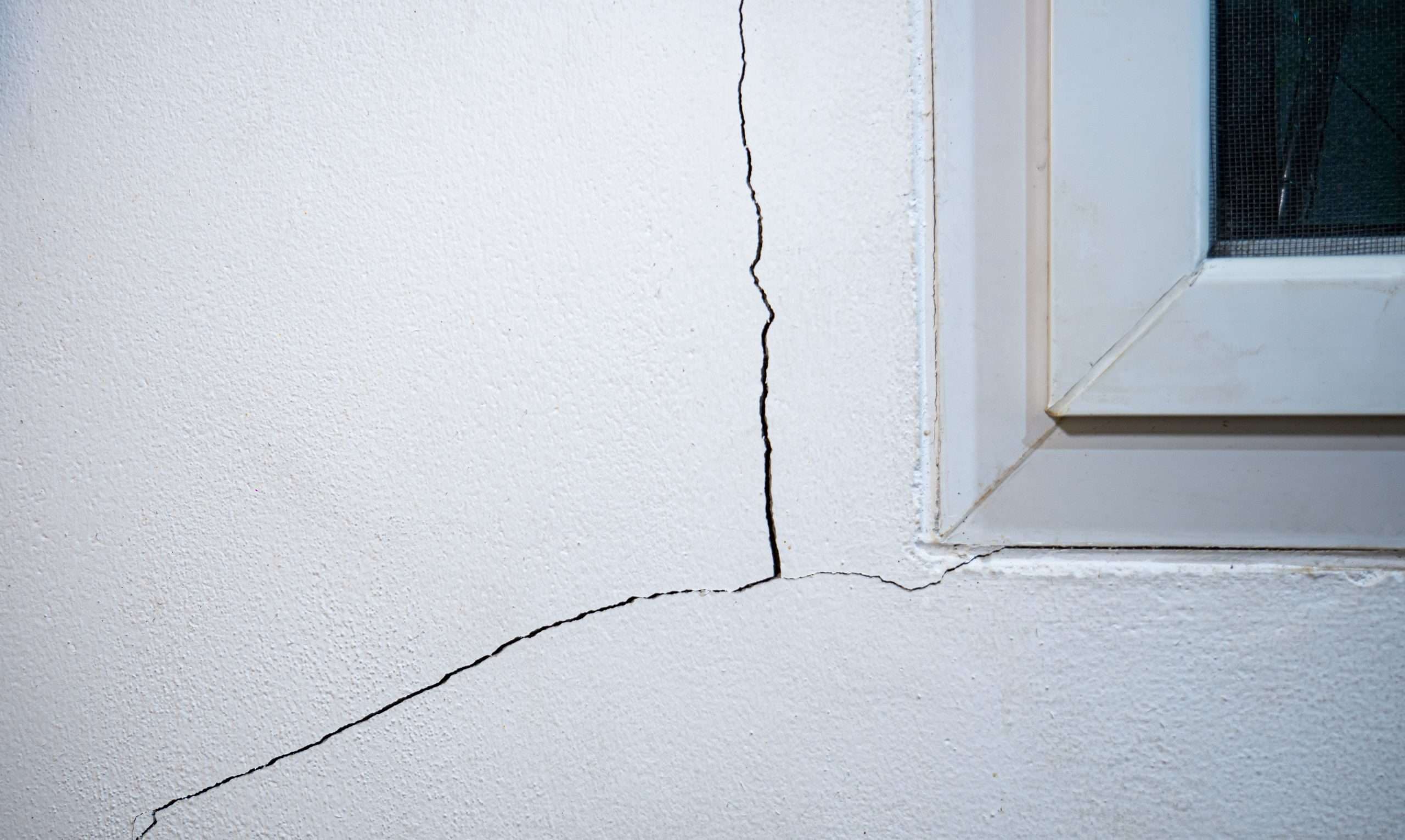
One of the key warning signs of subsidence returning is the appearance of new diagonal cracks, particularly above doors and windows or in the corners of rooms. These cracks can indicate movement in the foundation rather than surface-level settlement.
Sticking Windows and Doors
If doors or windows that previously opened and closed normally start sticking, this might suggest that the structure is shifting slightly. While seasonal expansion can also cause this, persistent or worsening issues might need further investigation.
Gaps Between Floors and Skirting Boards
Another indicator can be gaps appearing between floors and skirting boards. These gaps might suggest movement in the foundations, especially if they develop gradually or appear alongside other warning signs.
Location and Pattern of Cracks
It’s also important to assess where cracks are appearing. Cracks on internal walls might be less serious than those that appear on both the inside and outside of the property. The pattern and direction of cracking can also be useful indicators. Cracks caused by subsidence are typically diagonal or stepped and are often wider at the top than at the bottom.
Weather Conditions and Timing
It can be helpful to consider whether any recent weather could be to blame for cracks or movement. Long periods of dry weather followed by heavy rainfall can cause soil expansion and contraction, which can mimic subsidence. So, not every sign means subsidence has returned, but recurring patterns are more concerning than isolated changes.
What to Do Next
If you’ve spotted some of the most common signs of subsidence and you’re worried it’s returned, Subcheck can be incredibly beneficial. This monitoring service includes a baseline survey, twelve months of monitoring, quarterly reports and a written engineering opinion at the end. If repairs are recommended, the next steps are:
Contact your Insurer
If the property has a history of subsidence and you previously made a claim with your insurer for repair work, they should be your first point of contact. They can review the property’s history and advise whether further investigation is required under your policy.
Contact a Subsidence Repair Professional
It’s also advisable to get an up-to-date assessment. Our team at Subsidence Ltd can help determine whether movement is active, historic or part of normal seasonal behaviour. A detailed report can clarify whether further action is required or the property is behaving within expected structural limits. Early assessment is often the most effective way to prevent further damage, particularly if cracks are widening.
Once subsidence has been identified, the next step is to arrange suitable repairs. In many cases, modern solutions such as resin injection can stabilise the ground quickly and with minimal disruption, helping prevent further movement without the need for extensive excavation or prolonged structural work.
If you’re concerned about possible subsidence, our team at Subsidence Ltd can provide expert assessment and clear next steps to help you move forward with confidence. Don’t hesitate to get in touch with us today to arrange a site survey.