If you’re worried about subsidence, one of the first questions is often how it will affect the property’s value. It’s understandable to be concerned about losing money, particularly if you’re planning to sell or remortgage. However, there’s no one-size-fits-all answer. A house with active, unresolved movement is very different from one where the cause has […]
Originally 5 Oct 2026·Last reviewed 8 Oct 2026·6 min read
If you’re worried about subsidence, one of the first questions is often how it will affect the property’s value. It’s understandable to be concerned about losing money, particularly if you’re planning to sell or remortgage. However, there’s no one-size-fits-all answer. A house with active, unresolved movement is very different from one where the cause has been identified, the repairs have been completed, and clear documentation shows what’s been done.
The figures you might see quoted online can be a useful starting point, but they shouldn’t be treated as a valuation of your individual property. In our experience at Subsidence Ltd, the building’s condition, the cause of the subsidence, the quality of the repair, and the evidence available to buyers can all influence how much value is actually affected.
How Much Does Subsidence Devalue a House? Typical Figures
A commonly quoted figure is that a property with ongoing subsidence can lose around 20–25% of its value, while historic subsidence that has been properly repaired has a much smaller reduction of around 0–5%. However, treat these figures as broad examples rather than a fixed rule. The impact can vary considerably between properties.
For example, a £400,000 property with active subsidence could theoretically face a much larger devaluation than a similar property where the movement was repaired years ago and supported by clear warranties. The reason is simple: valuers, buyers, and mortgage lenders assess the risk associated with the property, rather than applying a standard “subsidence discount”.
This is also why you can sell a house with subsidence, but the property’s condition and history will influence the process, potential buyer pool, and the price you can realistically achieve.
Five Things That Decide How Much Value You Lose
When assessing the potential impact of subsidence on property value, several factors matter more than a headline percentage.
1. Still moving, or finished and fixed?
The biggest difference is whether the subsidence is still active. Ongoing movement creates uncertainty because a buyer might have to pay for further investigation and repairs after completing. A property where the movement has been properly investigated and treated is a safer purchase, as the buyer can see what caused the problem and whether the foundations have been stabilised.
2. What caused it?
The underlying cause is also important. Subsidence linked to shrinkable clay, tree roots, leaking drains or other ground conditions can have different implications depending on whether the cause has been properly dealt with. A repair that stabilises the foundations without addressing an ongoing cause might not provide the reassurance a buyer or lender needs.
3. How bad is the visible damage?
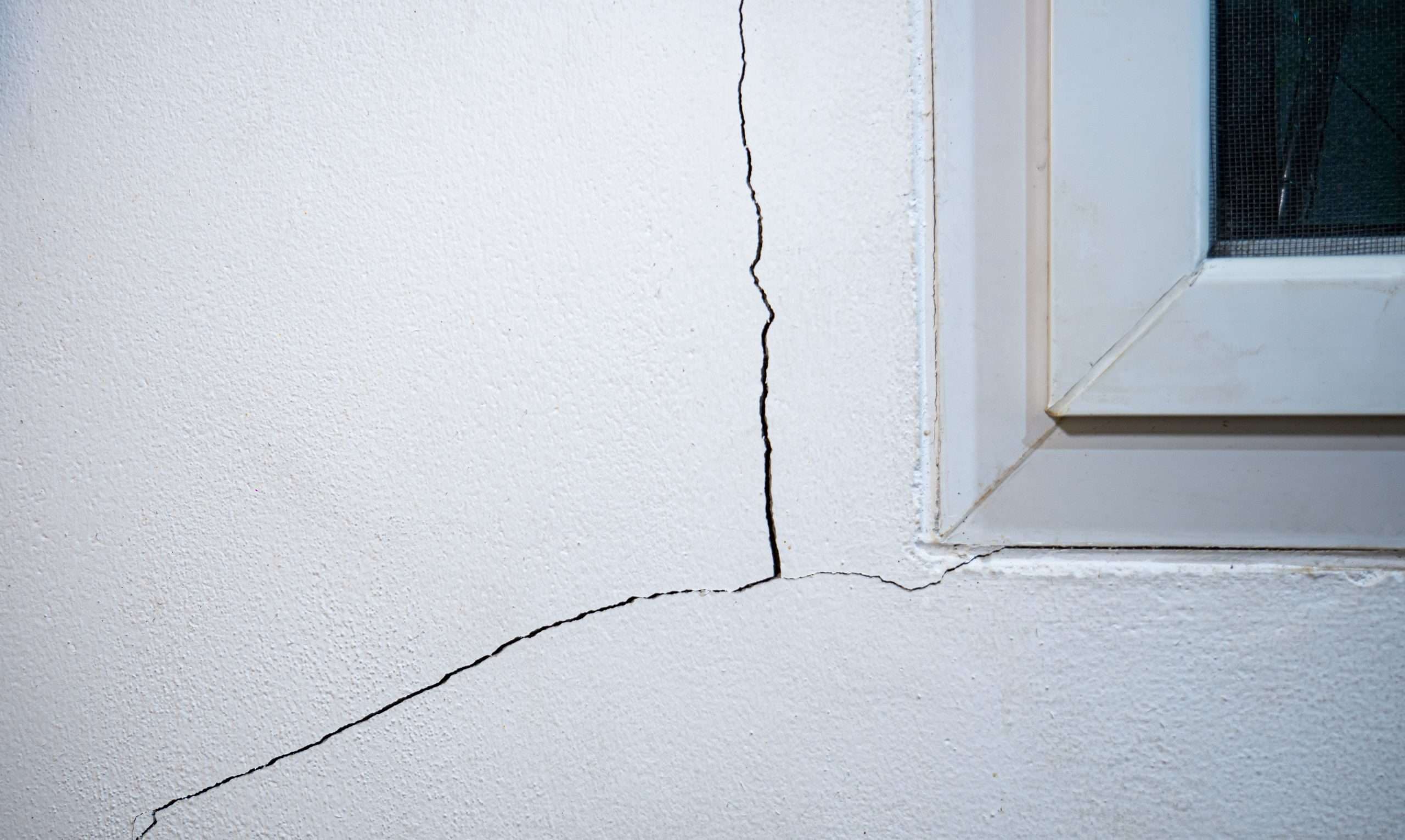
Not every crack tells the same story. Minor historic cracking differs from significant structural movement accompanied by sticking doors and uneven floors. Valuers and surveyors will consider the extent of the damage rather than simply measuring the widest crack. A property with limited, stable damage might be viewed very differently from one where movement is continuing, and repairs are still required.
4. What paperwork can you present?
Documentation can make a significant difference when selling a property with a history of subsidence. Buyers and mortgage lenders might want to see surveys and reports, details of the repair work, insurance information, and evidence that the underlying problem has been addressed. Having this information available shows what happened and how the problem was dealt with. A written warranty can also provide additional reassurance.
5. Can local demand absorb it?
The local property market has an impact too. A home in a high-demand area might attract buyers despite a history of subsidence, while a property in a slower market might need to be priced more competitively. This doesn’t mean that location cancels out the effect of subsidence. Instead, it can affect negotiating power and how many potential buyers will consider the property.
Mortgages and Insurance: The Real Drivers of the Drop
For many buyers, the biggest concern isn’t the crack itself but what subsidence means for getting a mortgage and suitable insurance.
Mortgage lenders need to be satisfied that the property provides adequate security for the loan. If movement is ongoing or the cause hasn’t been established, a lender may require further structural information before deciding whether to proceed. This can complicate the purchase and potentially reduce the number of buyers who can proceed.
It’s therefore worth understanding whether house insurance covers subsidence and keeping copies of any claim information, reports and repair documentation. Having the right paperwork ready can make it easier to answer questions when you come to sell.
Does a Completed Repair Restore the Value?
A repair can significantly change the way a property with subsidence is viewed, but it doesn’t necessarily erase its history. The key benefit is that the buyer isn’t purchasing a property with an unexplained structural problem. They can see what caused the movement, what repairs were carried out, and what evidence shows the issue has been addressed.
The quality and documentation of the repair are key here. A professional assessment, clear engineering information, and a suitable warranty can provide considerably more reassurance than simply filling cracks and redecorating. For example, our 10-year subsidence warranty transfers automatically when a property is sold.
So, while professional repairs don’t guarantee a full increase in property value, they can give buyers more confidence in the work carried out.
Repair Cost vs. Value Lost: Doing the Sums Before You Sell
If you’re considering selling a property with subsidence, it can be tempting to accept a lower offer to avoid dealing with the problem. However, it’s worth comparing the potential reduction in value with the cost of repairing the underlying issue. The cost of subsidence repair varies considerably depending on the cause, the area affected, the ground conditions, and the required treatment, so a professional assessment is needed before providing an accurate quote.
For some properties, completing the repair before selling makes financial sense as it removes uncertainty and gives prospective buyers evidence that the movement has been addressed. In other cases, particularly when the repair would be extensive, selling the property in its current condition might be the better option. The key is to make the decision using actual figures rather than assumptions. Comparing the likely subsidence repair costs with the potential reduction in the property’s sale price gives you a much clearer basis for deciding what to do.
If you’re concerned about subsidence and want to understand how it might be affecting your property’s value, we can assess the underlying movement and explain the repair options. Contact Subsidence Ltd to arrange a professional survey and learn what to do next.